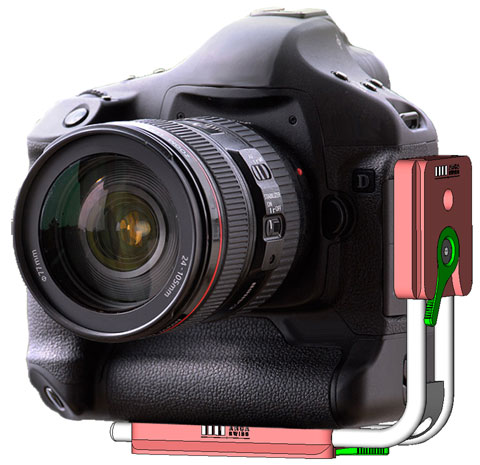
I guess it is for adjusting the position of the plates.
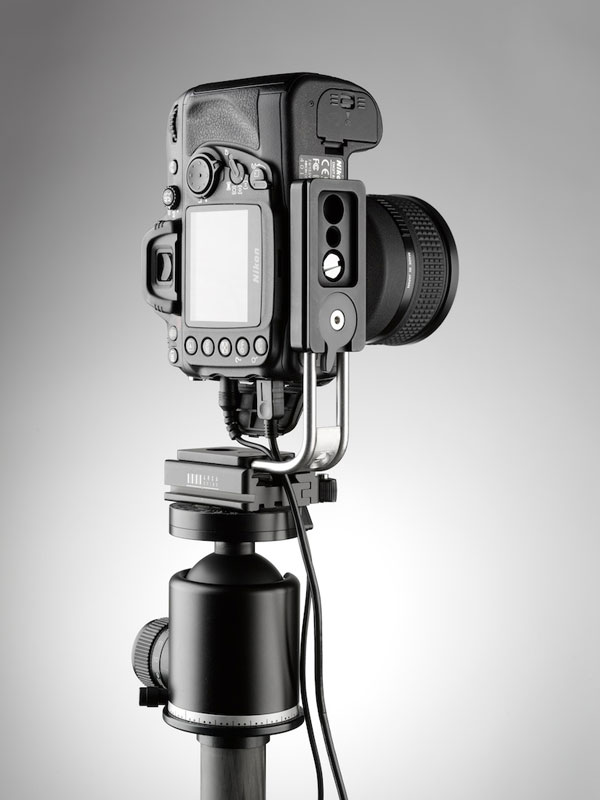
This is useful in two situations. 1. it makes the L-plate more universial to different cameras? 2. By re-positioning the camera, it allows the cables to pass through as illustrated in the last figure
because you have a mount on both sides of the body, look over at the leica rumors, you can see the plates slide through the bars, it’s an adjustable L bracket folks.
This is actually very cool. Currently, we have to replace our L-Brackets if they are body-specific. That’s a huge expense/ordeal (if you sell it). If they are sturdy and reliable, an adjustable might be preferred. You could use them on different cameras if you have two different bodies.
What I would more prefer is if the bracket could be popped off without having to use a screw driver/tool. I hate that my L-Bracket is permanently part of my camera unless i get an L-shaped tool to screw it off. If there was a lever that unscrewed the attachment (a quick release) that would be perfect.
I always hated the idea of buying body specific l-bracket. When you buy it’s too expensive, but when you try to sell it no one wants it because everyone has switched to a newer camera model, just like you.
There will be shortcommings there always are with generic products, the Canon cameras have a side gasket to get to the remote plug, this means you will have to adjust the mount every time you want to use your remote or leave the thing sticking out, I’ll stick with custom L-Brackets Ross
i just wish the camera makers would make the locking hole next to tripod mount as video cameras have. that and also vertical tripod socket on left side. It would make life much more easy.
15 Comments
Well some one finally posts some info and images about these L-Brackets
Wonder what the green leavers are for under the plates.
Thank you
am
I guess it is for adjusting the position of the plates.
This is useful in two situations.
1. it makes the L-plate more universial to different cameras?
2. By re-positioning the camera, it allows the cables to pass through as illustrated in the last figure
Height and width adjustments obviously, look at the shot with the D700, its the same Lbracket as the 1ds… it’s adjustable!
it’s more like a D300 to me
Thats actually the original D300, the D300s doesn’t have the CF door latch.
Probably Quick-release levers. But what does this do? How does this make it easier to switch been landscape and portrait?
because you have a mount on both sides of the body, look over at the leica rumors, you can see the plates slide through the bars, it’s an adjustable L bracket folks.
who cares.
jesus cares
This is actually very cool. Currently, we have to replace our L-Brackets if they are body-specific. That’s a huge expense/ordeal (if you sell it). If they are sturdy and reliable, an adjustable might be preferred. You could use them on different cameras if you have two different bodies.
What I would more prefer is if the bracket could be popped off without having to use a screw driver/tool. I hate that my L-Bracket is permanently part of my camera unless i get an L-shaped tool to screw it off. If there was a lever that unscrewed the attachment (a quick release) that would be perfect.
I’m buying this the moment it comes out.
I always hated the idea of buying body specific l-bracket. When you buy it’s too expensive, but when you try to sell it no one wants it because everyone has switched to a newer camera model, just like you.
There will be shortcommings there always are with generic products, the Canon cameras have a side gasket to get to the remote plug, this means you will have to adjust the mount every time you want to use your remote or leave the thing sticking out, I’ll stick with custom L-Brackets
Ross
i just wish the camera makers would make the locking hole next to tripod mount as video cameras have. that and also vertical tripod socket on left side. It would make life much more easy.
Cool, but I’m a Bogen/Manfrotto guy, so Manfrotto – come out with a L bracket too!
Very shiny, lots of chrome. It will appeal to that segment of the U.S. market that can’t pronounce “digital camera”.