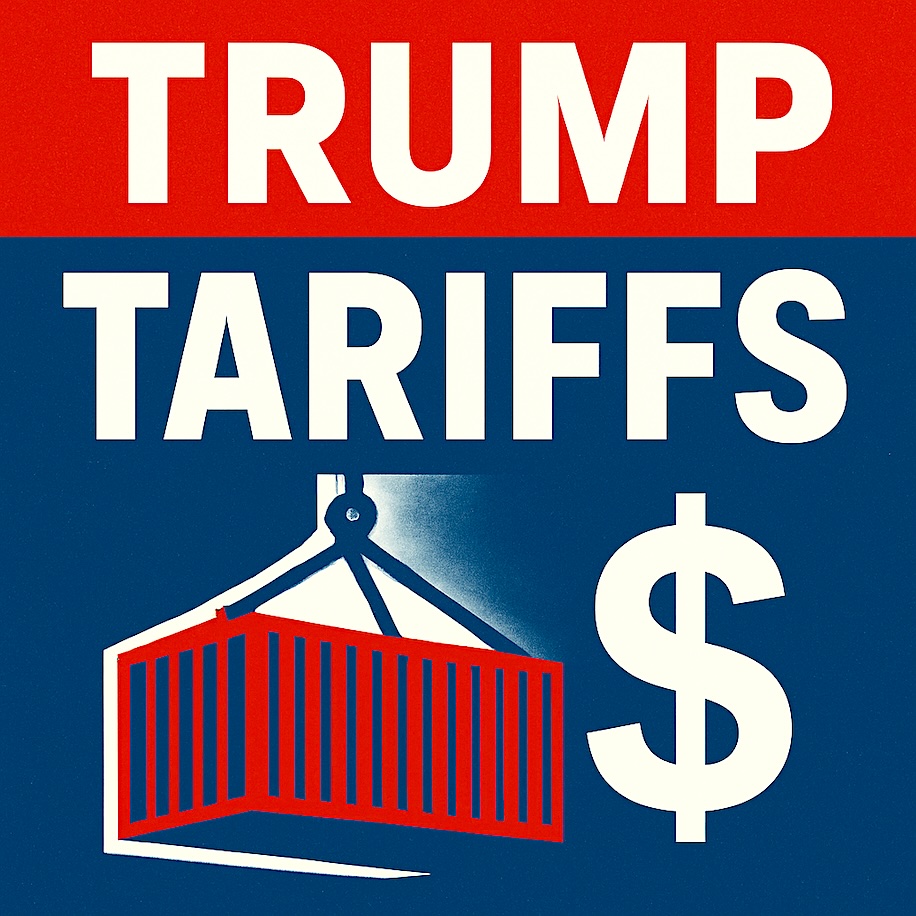


New US tariffs on imported drones will take effect on September 3rd. President Trump signed a Section 232 proclamation imposing new tariffs on imported unmanned aircraft systems and components, citing national security and over-reliance on foreign supply chains. These new tariffs stack on top of existing duties and restrictions in place since late December 2025. Here are the details:
- 25% ad valorem on drones with a maximum takeoff weight of 25 kg (≈55 lb) or less – this covers the majority of consumer and prosumer drones (DJI Mini, Air, Mavic, Avata series, etc).
- 100% on drones over 25 kg, any drones that integrate thermal imagers, and docking stations.
- A further 25% on additional components takes effect later (around February 2027) to allow supply-chain adjustment.
- Lower rates for qualifying products from certain allies (15% for EU, Japan, South Korea, Taiwan, Switzerland, Liechtenstein, 10% for the UK)
Additional drone bans
The FCC has a live proposal (Public Notice DA 26-758) that would prohibit further importation and marketing of certain previously authorized foreign-made drones that fall into “military-grade” capability categories. One of those categories covers drones with integrated LiDAR sensing. Multiple reports explicitly name the Mini 5 Pro (along with the Air 3S, Avata 360, and Neo 2) because it uses a short-range forward-facing LiDAR for obstacle avoidance. If the FCC adopts the proposal, the sales/import restriction would typically take effect after a transition period (often around 180 days). Existing Mini 5 Pro units that owners already have remain fully legal to fly. The rules do not brick or ground drones already in private hands.